




A single production run gone wrong can cost an organization thousands. Shirts that fade in three wash cycles, graphics that crack after a week of wear, or ink that bleeds past the artwork boundaries turn a completed merchandise order into a financial write-off. The difference between a solid order and a failed one often comes down to how well the buyer understands the production process. At a professional level, custom apparel printing comes down to chemistry, and buyers who understand that tend to get better results.
Direct-to-garment machinery changed the way apparel gets decorated at scale. Digital files drive the machine, allowing the ink to bond directly into the fabric instead of sitting on top of it. Getting those finished garments to the buyer safely requires a logistics network built around security and precision. Companies like One Off Apparel handle production and delivery of custom-printed apparel across the United States. Understanding what happens on the production floor helps buyers make better decisions about what they order.
- The Physics of Digital Textile Machinery
- Water-Based Pigment Mechanics
- Pretreatment and Chemical Bonds
- Thermal Curing and Wash Durability
- Assessing Hardware and DTG Printing Companies
- Small Batch Economics
- High-Capacity Order Fulfillment
- Automated Production Consistency
- The Operational Value of Custom Apparel Printing
- Conclusion
The Physics of Digital Textile Machinery
A direct-to-garment machine shares a mechanical concept with a high-speed document printer but operates on an entirely different set of variables. Piezoelectric printheads fire droplets of liquid pigment at the fabric surface, and the factory runs entirely on digital input; technicians load a graphic file, the machine reads it, and the ink goes down without building any physical screen setups. Climate control inside the production space is not optional. A A clean DTG run depends on steady temperature and humidity from the moment the pretreatment hits the fabric.
Water-Based Pigment Mechanics
Industrial DTG machines run on water-based pigments, where the bond between the pigment and the fabric is what ultimately determines print quality. Before color hits the fabric, machinery sprays a pretreatment solution across the garment surface. Cotton absorbs the liquid primer within seconds, and the color pass follows immediately after.
Pretreatment and Chemical Bonds
That pretreatment layer works as a binding agent. It stops the liquid pigment from bleeding outside the graphic boundaries, keeping logo edges sharp and color fields clean. On dark garments, a white ink underbase goes down during the same production stage; that white foundation layer sits directly beneath the graphic and lets final color values read accurately against black or navy cotton. Brands that source professional DTG Printing Services do so specifically to maintain that level of edge definition and color accuracy across large orders.
Thermal Curing and Wash Durability
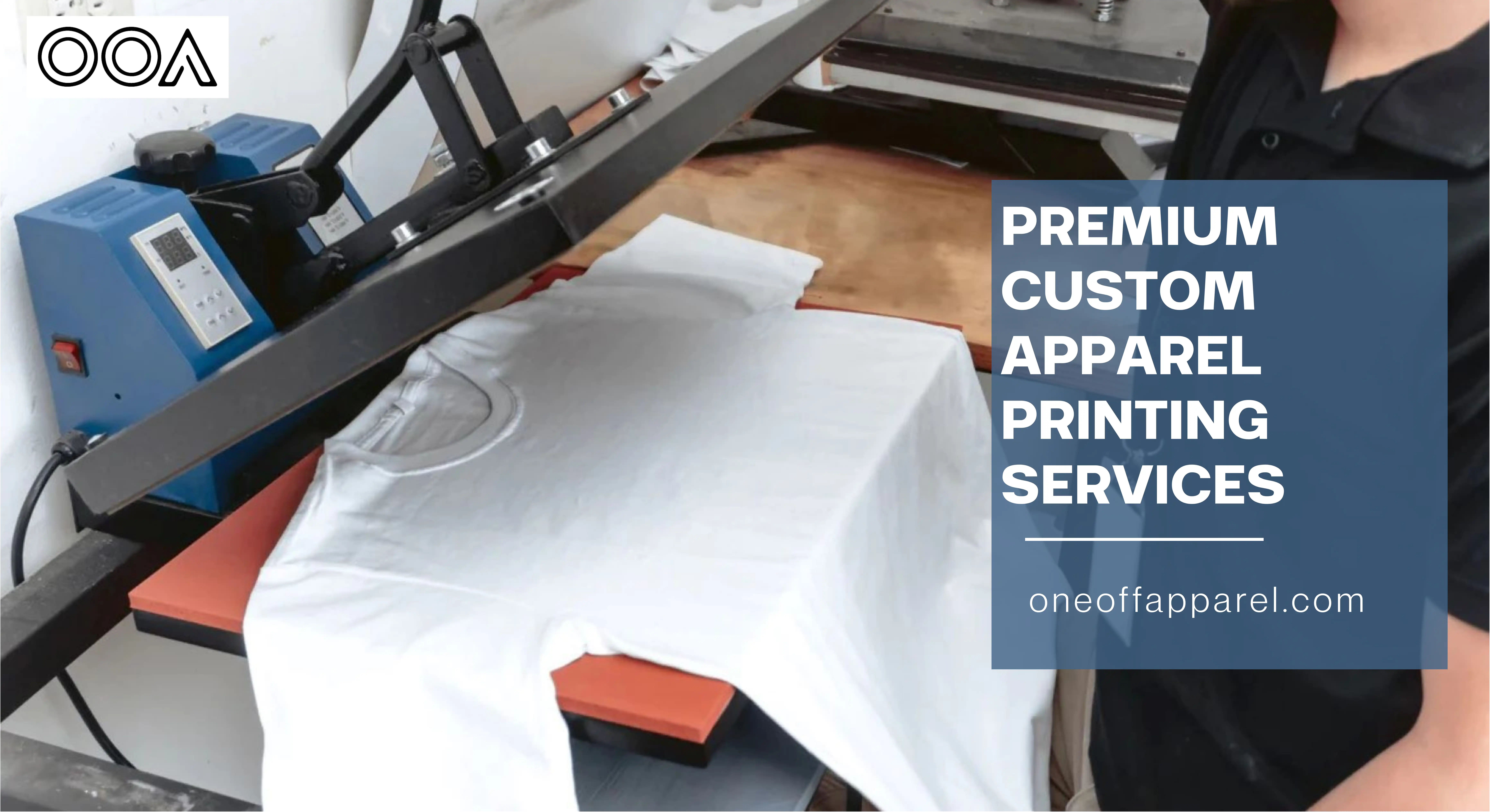
Once the print heads finish their pass, the water-based pigment has absorbed into the cotton fiber structure. That absorption produces a soft result; the wearer feels the fabric itself rather than a thick layer of material sitting on top of it. The garment then moves into a heat press or tunnel dryer for curing. Heat dries out the moisture and sets the ink into the fabric. Skip that curing step and the graphic starts cracking and fading fast. For any order meant to hold up through months of regular washing, the thermal stage is where the actual durability of the product gets decided. Facilities offering professional DTG Printing Services treat it as a fixed production requirement.
Assessing Hardware and DTG Printing Companies
What a facility needs on the floor depends almost entirely on the volume it handles week to week. The real test for any domestic supplier is whether it can run a twelve-unit trade show order on Monday and a five-hundred-unit corporate rollout on Friday without either one suffering. Dependable DTG Printing Companies build their equipment rosters around that kind of flexibility. Order volume can change fast in this industry, and shops that cannot handle that usually do not stay reliable for long.
Small Batch Economics
A neighborhood business that needs ten shirts for a weekend event runs into a wall with traditional production methods; setup fees tied to physical screen fabrication make small runs financially impractical before a single garment gets printed. Digital application removes that barrier. A factory can load a shirt, print it, and move on to the next job without changing anything on the machine. That makes low-volume runs affordable for small businesses.
High-Capacity Order Fulfillment
Corporate orders at scale bring a different set of demands. Hundreds of units have to come off the line looking identical to the first shirt printed that morning. Multi-platen machines and automated pretreatment stations keep output moving without sacrificing visual consistency.
Automated Production Consistency
Print head maintenance is what holds that consistency together. Dried pigment or debris on the nozzles degrades image quality fast, and a contaminated production run is a full loss. Facilities that treat maintenance as a daily logged requirement rather than an occasional fix are the ones that deliver reliable results across high-volume orders.
Baseline Production Variables:
- Substrate Requirement: High-percentage cotton blends for proper pigment absorption
- Ink Profile: Water-based, chemically cured pigments
- Setup Economics: Digital file processing, no physical screen fabrication required
- Color Capacity: Full digital spectrum with no per-color cost penalty
The Operational Value of Custom Apparel Printing
Two questions drive every apparel procurement decision: how long will this hold up, and what will it cost. The digital production process addresses both directly. A full-color graphic with dozens of color values costs the same machine time as a flat single-color logo because the equipment processes a digital file either way. That economic reality means organizations do not have to simplify their brand artwork to manage ink costs. Merchandise that holds up through regular use lasts longer, and for repeat orders, custom apparel printing helps avoid the high costs that used to come with better-quality products.
Conclusion:
When an apparel order fails, the damage runs in both directions. The original investment is gone with the defective inventory, and the budget takes a second hit to fund the replacement run. The technical process behind modern digital fabric decoration removes most of that risk when it is executed correctly. Water-based pigments, chemical pretreatment, and thermal curing function as a linked sequence; each stage sets up the one that follows, and when the full chain runs at the right conditions, the finished garment holds up through extended use. Custom Apparel Printing handled at an industrial level is a precise technical discipline, and the organizations that approach it that way get durable, consistent results.
Providers such as One Off Apparel, operating out of West Boylston, Massachusetts, manage the secure delivery of custom-printed garments to buyers across the USA. For organizations that need production scaled to order size without compromising on print quality, partnering with a facility that understands both the chemistry and the logistics is the most reliable path to inventory that actually performs.
© Copyright All Rights Reserved