



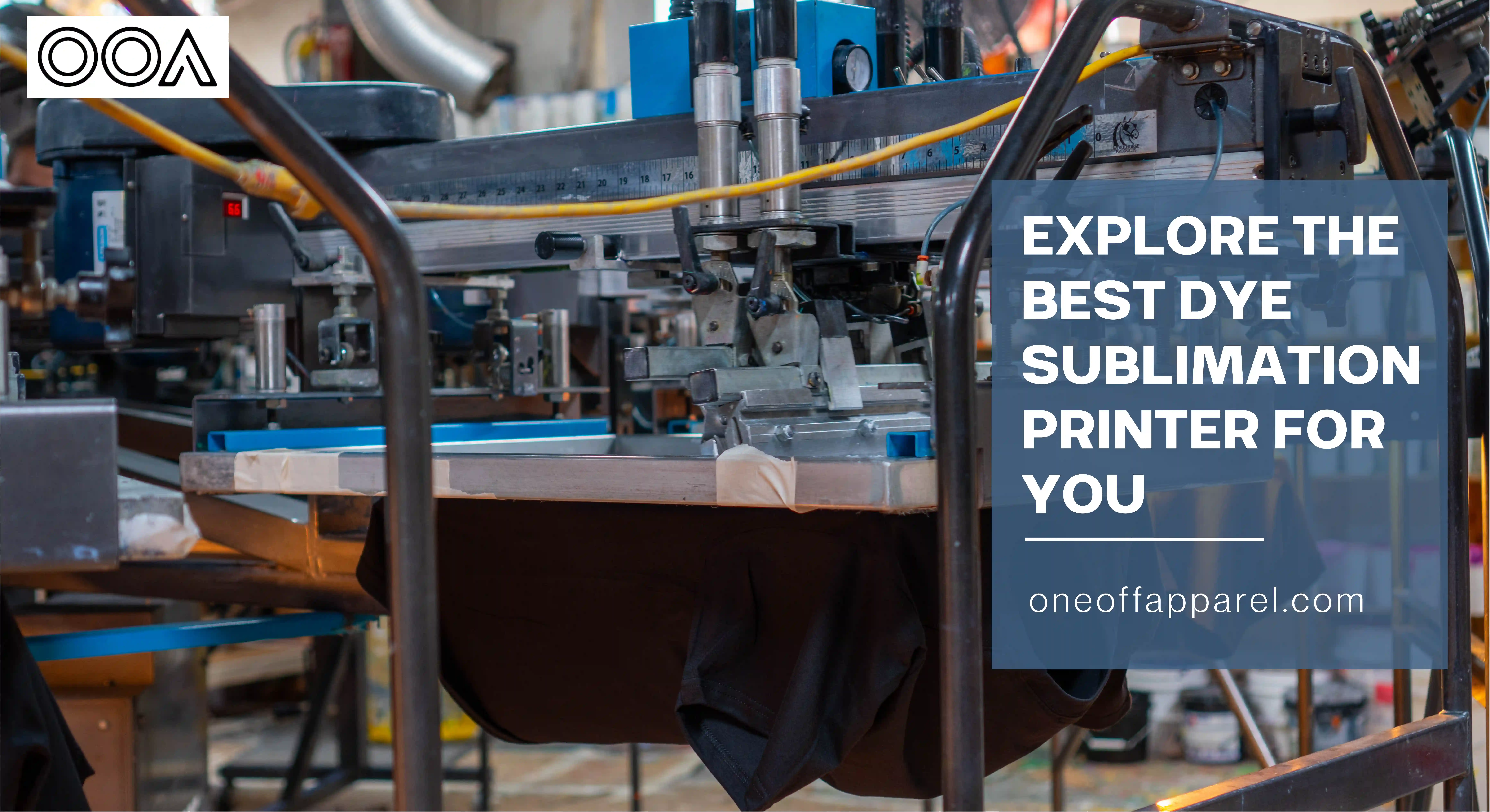

There are many ways to print a design on a product, but they generally fall into two categories. You can apply ink to a material's surface, or you can infuse it into the material itself. A helpful analogy is staining wood versus painting it. While paint creates a new layer on the top, stain soaks in to become part of the wood. And Dye-sublimation is just like staining.
Instead of laying down a layer of ink that sits on top, this technology literally embeds color deep into the fibers of a material. The result is a graphic that won’t peel, crack, or fade away in the wash. It’s completely smooth to the touch because the design becomes a true part of the fabric itself. This unique quality has made it a top choice for performance sportswear and high-end custom merchandise. To see why it’s so effective, you have to look at how the technology works, from the special inks to the tools used by expert shops like One Off Apparel.
The Core Process: Fusing Ink into a Material
The whole process hinges on this bit of physics that's called sublimation, where a solid can turn directly into a gas, skipping the liquid phase entirely. The specialized dye sublimation printing equipment is all designed to control this reaction.
We begin with a Dye Sublimation Printer—as a purpose-built machine, and not your standard office printer. It uses special solid dyes to print a design onto a sheet of transfer paper. A high-quality Epson dye sublimation printer, for example, is engineered for the microscopic precision needed to lay down a perfect, high-resolution image.
The paper, however, is just a temporary carrier for the design. The real transformation happens in the heat press. This is the machine that's the actual catalyst, applying a precise combination of heat (usually 180-210°C) and pressure. As the heat intensely hits the transfer paper, the solid dyes instantly vaporize into a gas. In the same moment, the heat causes the pores of the polyester fabric or polymer coating to open. The gaseous dye flows into these openings. When it all cools down, the pores close, and the dye turns back into a solid, now locked inside the material’s structure. A permanent molecular bond.
From Digital File to Finished Product
So can this science be translated into a finished t-shirt or mug? The workflow for dye sublimation printing is actually a game of precision.
1. The Digital Blueprint: Everything starts with a high-resolution digital file. Color accuracy is critical. Professional shops use ICC (International Color Consortium) profiles to ensure the colors on the screen translate perfectly when printed by their specific sublimation dye printer. The design gets printed in reverse on the transfer paper.
2. A Clean Slate: The blank product, or substrate, has to be completely clean. A single stray fiber or speck of dust will block the dye gas, leaving a tiny unprinted flaw in the finished piece. It’s an unforgiving process in that respect.
3. The Fusion: The printed paper is carefully taped to the item with heat-resistant tape to ensure it doesn't move. A shift of even a millimeter can cause a blurry "ghost" image. The whole package goes into the pre-heated press for a set time, usually just a minute or two.
4. The Reveal: When the timer is done, the item is removed. The paper is peeled away, and the vibrant, full-color graphic is now permanently part of the item.
The Rules of the Material: What Works and What Doesn't
This process is powerful, but it's picky. Sublimation has one main rule: it needs polymers to work.
- Its Best Friend: “Polyester”
The technology excels on 100% polyester fabrics. For hard goods, it requires a special polymer coating that acts as a receptive canvas. That's why you'll find it on everything from ceramic mugs to specially treated aluminum signs. - What Doesn't Work: “Natural Fibers”
It won't work on 100% cotton, bamboo, or other natural fibers. They don't have the polymer pores for the dye to lock into. Any image would look dull and wash right out. If you use a poly-cotton blend, you’ll get a faded, retro look because the dye can only bond with the polyester threads.
Weighing the Pros and Cons
If you're looking into dye sublimation printing services, it's helpful to see the full picture.
| The Upside | The Limitations |
|---|---|
| Permanent Graphics: The design is infused and won't crack, peel, or fade. |
Material Dependent: Requires polyester or polymer-coated items. |
| Stunning Detail: Capable of photorealistic images and smooth color gradients. |
Needs a Light Background: The dyes are transparent, so the surface color matters. |
| Zero Texture: Since the dye is in the material, you can't feel it at all. |
High Pro-Equipment Cost: A full setup is a serious investment. |
| Maintains Performance: On fabrics, it doesn't block the weave, so it stays breathable. |
Precision is Key: Errors like "ghosting" can occur if not done carefully. |
Asking what is the best dye sublimation printer involves thinking about these trade-offs and the products you want to create.
Conclusion:
Dye sublimation isn't just another way to print; it's a way of fusing a design into a product on a molecular level. Its ability to create permanent, photorealistic graphics without changing the feel of the material is what makes it so unique. While it has specific rules regarding materials, the results speak for themselves. It's the kind of quality standard you see from experienced vendors like One Off Apparel, delivering a final product that's built to last.
© Copyright All Rights Reserved