



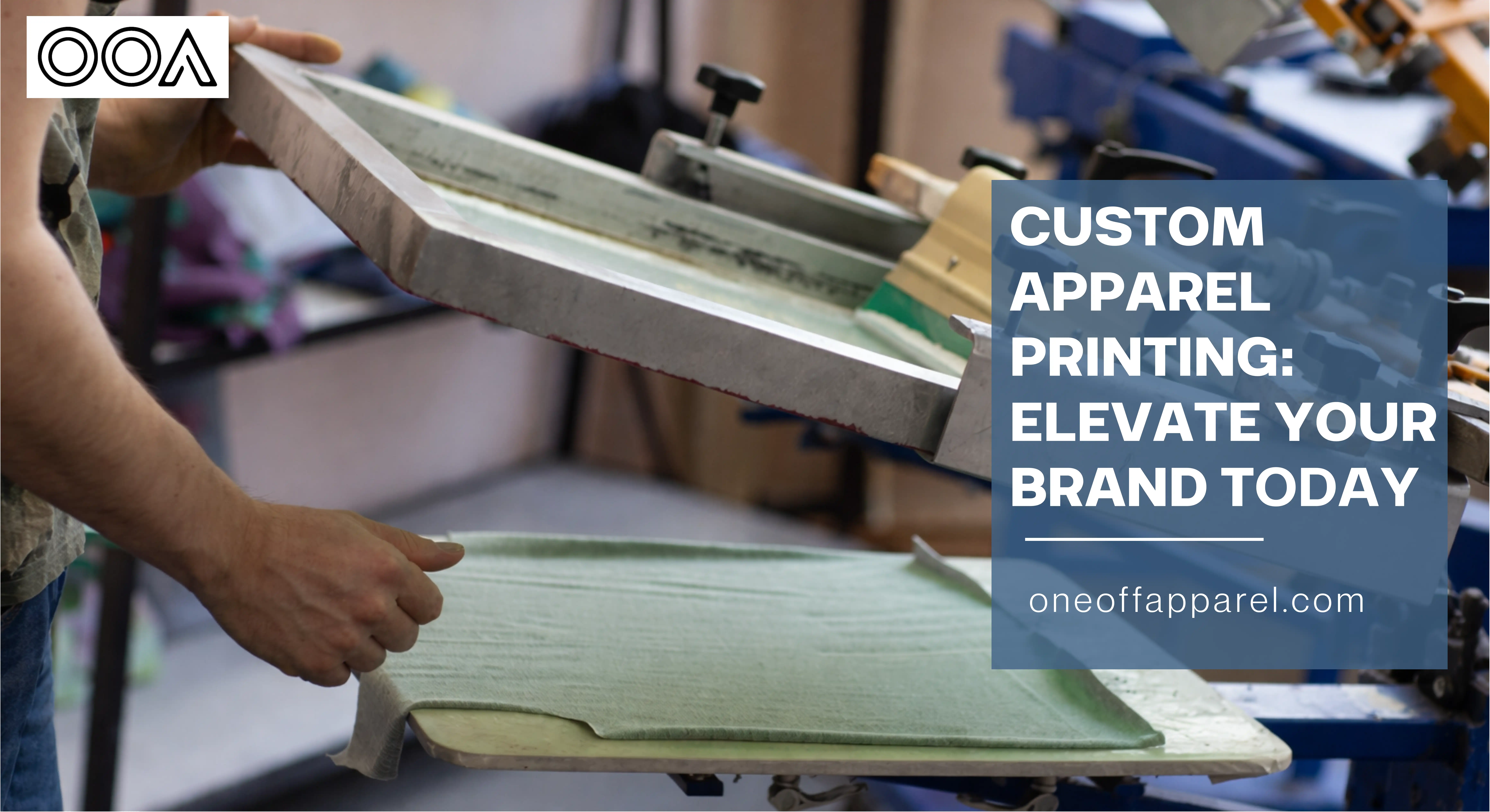

Many companies are moving toward unified, premium team apparel to create a more polished and consistent brand image. High-quality apparel is in demand because businesses recognize how appearance impacts brand perception and client trust. Custom apparel printing helps teams present a consistent and professional image at trade shows and client meetings. A well-dressed company group immediately shifts the dynamics of any professional setting. Premium fabrics and thoughtful design help create a consistent, professional look across your team.
Why Do Premium Fabrics Matter for Daily Operations?
Garment tags provide insight into how a product will feel and perform over time. Many businesses choose lower-cost fabrics to save upfront. This often results in poor fit and faster wear over time. We help clients select materials that align with how and where the apparel will be used. Comfortable employees present your brand more confidently. The choice of garment serves as the absolute foundation of your branding effort.
Here is how different fabric weights apply to daily use:
| Fabric Weight Category | Grams Per Square Meter | Best Real-World Application |
|---|---|---|
| Lightweight | 120 to 150 | Outdoor summer events and large promotional giveaways. |
| Medium-Weight | 150 to 180 | Standard corporate merchandise and daily retail staff uniforms. |
| Heavyweight | 180 and above | Premium limited-edition merchandise and rugged outdoor workwear. |
To make an informed decision, consider these basic fabric types:
- 100% Cotton: This serves as the standard choice for breathable, soft uniforms. Ring spun cotton gives a smooth surface that captures sharp details perfectly.
- Polyester Blends: These fabrics help manage moisture and are ideal for active environments or performance wear.
- Tri-Blends: This premium mix of cotton, polyester, and rayon provides a very soft texture. These items work exceptionally well as high-end gifts for executives or guest speakers.
Picking the correct base material makes the clothing last longer. As an experienced apparel provider, we know that quality materials help prints last longer without cracking or fading.
How Do Print Methods Impact Brand Perception?
Choosing a great shirt is only the first step. The method you use to apply your logo determines the final look and durability of the clothing. Mismatched printing technique will make a high-end shirt look cheap. We address this issue by matching your exact artwork requirements to the most effective application method.
Different projects need completely different tools. A highly detailed piece of art requires a different approach compared to a solid corporate logo.
| Application Method | Best Visual Result | Ideal Volume Requirement |
|---|---|---|
| Direct to Garment | Highly detailed, full-color gradients | Small batches or individual custom pieces |
| Traditional Screen Printing | Bold, solid colors with high contrast | Large production runs and standardized designs |
| Thread Embroidery | Clean, textured, professional logos | Small to medium batches of premium items |
Understanding the printing options prevents costly errors:
- Direct to Garment: This method prints detailed, full-color designs directly onto the fabric. The machine sprays water-based ink directly into the fabric fibers. It works wonderfully well for complex, multi-color artwork.
- Screen Printing: This method applies ink through a stencil to create bold, long-lasting designs. This process provides vibrant colors that sit squarely on top of the fabric and survive heavy washing.
- Custom Embroidery: This method adds a premium, professional finish and is commonly used on polos, jackets, and hats.
When you need bulk shirts for printing, screen printing application stands as the most efficient route. This process keeps costs low while delivering a striking, long-lasting image for large groups.
What Makes a Design File Ready for Production?
One of the most common challenges is low-quality artwork. The final product will only ever look as good as the digital file you provide. Low-resolution artwork will not produce a clean result, regardless of garment quality. Our art department handles this problem by reviewing and preparing all files to meet strict production standards.
Understanding file types remains essential for a successful outcome. The strict difference between a pixelated photograph and a mathematical drawing determines the sharpness of your final logo.
- Vector Files: These files use mathematical equations to create lines and shapes. You can enlarge them infinitely without any loss of quality.
- Raster Images: These are standard photographs made of tiny colored squares called pixels. Enlarging raster images makes the final picture look blurry and blocky.
- Resolution Requirements: If you absolutely must use a pixel-based image, it needs to be at least 300 DPI (dots per inch) at the actual printed size.
Providing the correct file type ensures clean edges and readable text. Working with an experienced apparel provider ensures your artwork is properly prepared before production begins.
How Can Custom Labels Elevate the Final Product?
Replacing standard tags with custom labels transforms a basic garment into a branded product. This process completely removes the original tag and prints your logo and care instructions directly inside the neck area.
This small detail shifts the perception of the garment entirely. It proves to prospective clients and employees that you pay close attention to the finer points of your presentation. We support this with retail-ready services such as custom labels, hang tags, and packaging.
Adding custom tags changes how people view your clothing. It turns a basic shirt into a real part of your brand. When your group needs new uniforms, getting the details right matters. The team at One Off Apparel can help you pick the best materials and print methods. Reach out to us to map out your next order.
Frequently Asked Questions
What is the best fabric for daily employee uniforms?
Medium-weight ring spun cotton, or a cotton-polyester blend works best. These materials balance breathability with durability. This balance ensures the garments hold their shape through frequent washing.
Why is vector artwork required for printing logos?
Vector artwork maintains perfectly crisp edges regardless of how large you scale the image. This file type prevents the logo from looking blurry or pixelated when applied to the fabric.
Does direct-to-garment printing last as long as traditional methods?
When applied correctly to 100% cotton and cared for properly, it remains highly durable. However, traditional ink-based screening generally offers the highest longevity for heavy-duty workwear.
© Copyright All Rights Reserved