




The custom apparel market continues to grow rapidly, with brands entering the space at record levels and global print volumes increasing each year. While starting a brand is easier than ever, scaling it presents a completely different set of logistical hurdles.
Moving from single-sample orders to purchasing bulk T-shirts for printing changes the financial dynamic of your business. You are allocating thousands of dollars toward inventory, which demands a strict approach to quality control. A single mistake in garment selection can compromise an entire production run and impact your brand’s reputation. So, it becomes important to collaborate with the right people in the production line.
Why Does Fabric Quality Matter for Custom Apparel?
Whether you are utilizing traditional screen printing or digital methods, the quality of your blank fabric dictates the final result. Many growing brands attempt to cut costs by choosing standard carded cotton, but this often compromises print quality and long-term durability. Carded cotton has rough fibers that stick up and interfere with ink application, leading to a grainy or washed-out appearance.
For premium results, prioritize 100% combed ring-spun cotton. The manufacturing process for ring-spun cotton twists and thins the yarn, creating a very smooth, tight surface. This smoothness allows both thick screen-printing inks and water-based digital inks to settle evenly and bond properly. The difference is immediately noticeable: sharper detail, softer hand-feel, and long-term durability after repeated washes. Your choice of blank garment is the single biggest factor in customer retention.
Screen Printing vs. DTG: Choosing the Right Application
Production methods are not the same for all. The right choice between printing methods depends entirely on your design requirements, color count, and total order volume. Both Screen Printing and Direct-to-Garment (DTG) are excellent technologies, but they serve different operational needs.
Screen Printing (The Industry Standard for Bulk)
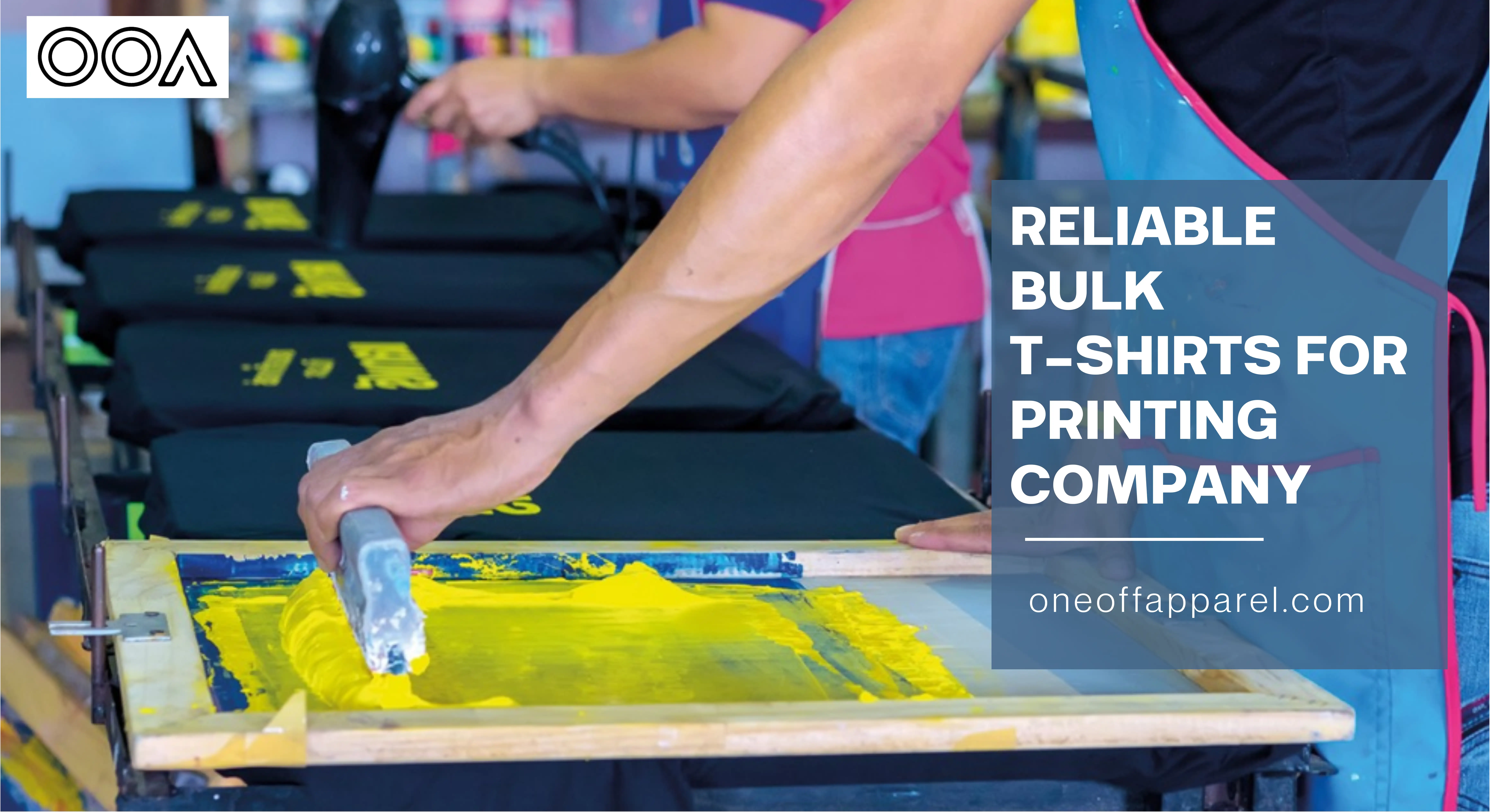
For scaling brands, screen printing remains the most efficient and margin-friendly production method. It provides incredibly vibrant colors, unmatched durability, and a classic, high-quality feel that customers love. Thick screen-printed designs typically outlast their digital counterparts. While it requires the physical creation of screens for each color, it becomes incredibly cost-effective at scale. Whether you are producing 50, 500, or 5,000 units, screen printing delivers strong margins and long-term product durability at scale.
Direct-to-Garment (DTG) Printing
DTG printing services operate much like an office inkjet printer, but for fabric. It is the ideal application for highly complex artwork, photographs, or designs with unlimited color gradients. Because there is no physical screen setup, DTG is incredibly flexible for small batch runs or highly intricate, multi-colored designs that would be too costly to separate into physical screens.
| Feature | Screen Printing | Direct-to-Garment (DTG) |
|---|---|---|
| Best Used For | Bulk orders, bold graphics, and brand staples. | Small runs, photographs, complex gradients. |
| Print Durability | Extremely high; thick ink bonds to the fabric. | High; water-based ink absorbs into the fibers. |
| Color Vibrancy | Highly vibrant, accurate spot colors. | Excellent for blending and millions of colors. |
| Unit Economics | Cost drops significantly as volume increases. | Cost per unit remains relatively flat. |
| Ideal Volume | 50+ units. | 1 to 50+ units. |
While many DTG printing companies use similar equipment, output quality ultimately depends on maintenance protocols, calibration standards, and production expertise.
What Should You Look for as a Bulk Production Partner?
Vetting a bulk manufacturing partner requires asking the right questions about their operational standards. A professional partner will have strict quality control measures, transparent communication, and the facility's capacity to handle your growth.
When ordering in bulk, operational reliability becomes critical. You need someone who communicates clearly about garment stock levels. You should have timely updates on the ink availability and production schedules. A true production partner does more than decorate garments; they function as an extension of your brand’s manufacturing operation.
Planning Your Inventory and Lead Times
Building a sustainable apparel brand requires strategic inventory management. Unlike the unpredictable nature of small, one-off orders, committing bulk manufacturing allows you to tightly control your unit's economics, drastically improve your profit margins, and maintain a consistent standard of quality.
To operate smoothly, you must align your marketing drops with realistic manufacturing schedules. High-volume bulk production requires meticulous setup, precise execution, and structured quality control.
Professional custom print shops operate with standard lead times that reflect this level of care. You can plan your seasonal releases, and inventory restocks a month in advance. This ensures your brand never has to sacrifice quality for speed.
FAQs
What is the best fabric for custom printing?
The best option for both screen printing and DTG is 100% combed ring-spun cotton. It provides a flat, tight surface that allows for sharp detail, vibrant color absorption, and a premium feel.
Does wash fade custom-printed shirts?
Properly cured screen prints and DTG prints last a long time. We always suggest washing items inside out with cold water and tumble-drying on low to extend the life of the artwork and the garment.
Can I print dark garments?
Yes. A specialized under-base or specific ink formulation is used for screen printing. For DTG, the printer applies a liquid pre-treatment and a white under-base layer. This is to ensure the colors pop against black or navy fabric.
How long does bulk production take?
Turnaround times reflect the care and setup required for high-volume, professional-grade printing. For most bulk orders, standard lead times are typically 3 to 4 weeks. Always factor this into your brand's launch schedule!
© Copyright All Rights Reserved