



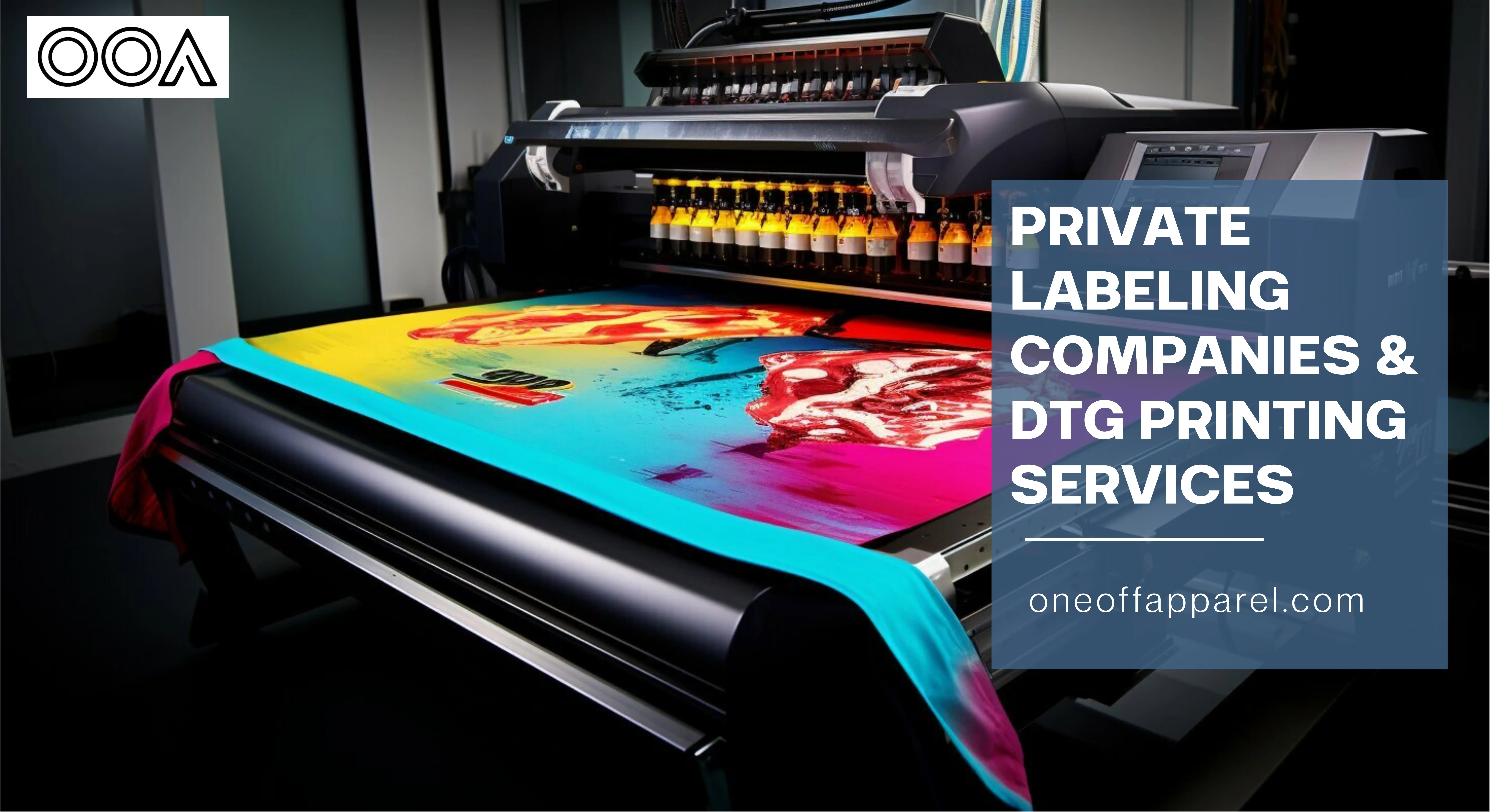

The apparel industry spent decades relying on analog methods. You made a screen, you pushed ink through it, and you repeated the process. The shift toward digital methods changed how production works on the shop floor. It introduced a new set of rules regarding how a digital file transforms into a physical product. Brands like One Off Apparel deal with these mechanics every day. The custom DTG Printing process demands a specific knowledge of both chemistry and physics.
When you move away from mass production and just look at custom, on-demand orders, your variables would also change. Because the humidity matters. And the type of cotton matters as well. Even the temperature of the room affects the final outcome. Understanding these factors strips away the mystery and leaves behind a clear picture of how modern printing actually functions.
The Physics of the Inkjet
At a glance, the machinery looks very simple as it closely resembles a large office printer. However, the engineering inside is distinct. Custom DTG Printing uses a print head that hovers over the fabric. It does not touch the shirt. Instead, it fires microscopic droplets of ink across a tiny gap.
These print heads use piezoelectric technology. They use an electric charge to vibrate a crystal, which pushes the ink out of the nozzle. This happens thousands of times a second. The ink itself is water-based. It has to be thin enough to fly through the air without clogging the nozzle. It also has to be thick enough to land on the fabric without soaking in too deep. If the ink is too thin, the image looks blurry. If it is too thick, the machine jams. Operators constantly monitor the viscosity of the ink. They check the humidity in the room to keep the liquid flowing smoothly.
The Science of Pre-Treatment
There is a step in the process that happens before the shirt even touches the printer. It is the application of pre-treatment fluid. This is necessary for dark garments. If you print standard water-based ink on a black shirt, the color disappears. The dark fabric absorbs the light and the color.
To fix this, the shop applies a liquid primer. This fluid does two things. First, it acts as a glue. It lays down the loose fibers of the cotton so the surface is smooth. Second, it creates a chemical reaction. When the white ink hits the pre-treatment, it gels instantly. It stays on top of the fabric instead of sinking in. This creates a bright, white under-base. Colors printed on top of this white layer look vibrant. This fluid often leaves a faint scent of vinegar or a stiff feeling on the shirt. This is normal. It washes out completely during the first laundry cycle.
Why Fabric Choice Dictates Quality?
The material of the garment acts as the canvas. Custom DTG Printing relies on the natural absorption of cotton. Cotton fibers are hydrophilic. They love water. They grab onto the water-based ink and hold it tight. Ring-spun cotton works best because the threads are twisted tight. This creates a flat surface for the ink droplets to land on.
Problems start when Private Labeling Companies or brands ask for polyester. Polyester is plastic. It pushes water away. When the digital ink lands on polyester, it tends to pool up. It can look speckled or washed out. The industry is working on solutions for this, but the chemistry is stubborn. A shirt with a high polyester content will rarely look as sharp as a 100% cotton shirt. The physical bond between the cotton and the ink also affects the "hand" or feel of the print. On cotton, the print feels soft and breathable. On synthetics, it can struggle to achieve that same integration.
The Input Determines the Output
A machine can only print what it is told to print. The quality of the digital file sets the ceiling for the quality of the shirt. In the world of Custom DTG Printing, resolution is a math problem. The standard is 300 Dots Per Inch (DPI).
If a file comes in at 72 DPI, which is common for web images, the printer sees big, blocky pixels and so it prints those blocks exactly as they appear. And thus, the machine does not even smooth them out.
Transparency itself is another hurdle. The software needs to know exactly where to put ink and where to leave the shirt alone. Semi-transparent pixels cause issues. These are the pixels found in smoke effects or soft drop shadows. The printer struggles to decide if it should put down white ink or not. It often results in a jagged, white halo around the design. Hard edges and solid colors always yield the cleanest results.
Comparing the Economics
People often ask about the difference between digital and analog methods. It usually comes down to time and money. The Best Screen Printing operations are built for volume. They take a long time to set up. You have to burn screens, mix ink, and align the press. Once it is running, it is fast and cheap per shirt.
Custom DTG Printing has almost no setup time. You load the file and hit print. This makes it perfect for small orders. If a brand wants five shirts, digital is the logical choice. If a brand wants five thousand shirts, screen printing makes more sense financially. The cost of digital ink is higher per milliliter. This means the price per shirt stays relatively flat regardless of how many you order. Screen printing gets cheaper as the volume goes up.
Durability and Care
The longevity of a print depends on how it is cured. Once the ink is on the shirt, it is wet. It needs heat to dry and bond with the fiber. Shops use a conveyor dryer or a heat press to bake the shirt at around 320 degrees Fahrenheit. This drives out the water and sets the binder.
If the shirt is cured correctly, its washability is high. But friction here turns out to be the enemy. DTG Printing Companies always recommend washing garments inside out and that’s a practical piece of advice. The inside of the washing machine is rough. Zippers, buttons, and jeans rub against the print during the spin cycle. This abrasion wears down the cotton fibers. Since the ink is attached to the fiber, when the fiber breaks, the print fades. Turning the shirt inside out puts a layer of fabric between the print and the rest of the laundry.
The Human Factor
Automation plays a big role, but people still run the shop. An operator watches the nozzle checks. They look for "banding," which creates faint horizontal lines in the image. They adjust the amount of pre-treatment based on the thickness of the shirt. DTG Printing Services rely on this human judgment. If the air in the shop gets too dry, the print heads can dry out. If it gets too humid, the ink takes too long to cure. The operator manages these environmental factors throughout the day.
Conclusion:
Making a custom garment involves an elaborate chain of events. Custom DTG Printing starts with a high-resolution file and ends with a cured print. Every step in between involves a specific reaction between the ink and the fabric. Manage the variables like resolution, fabric content, and heat properly, and the final product will fulfill the designer's vision.
Businesses like One Off Apparel focus on these technical details to maintain consistency. When the mechanics are understood and respected, the technology offers a level of flexibility and quality that fits the pace of the modern market.
© Copyright All Rights Reserved