



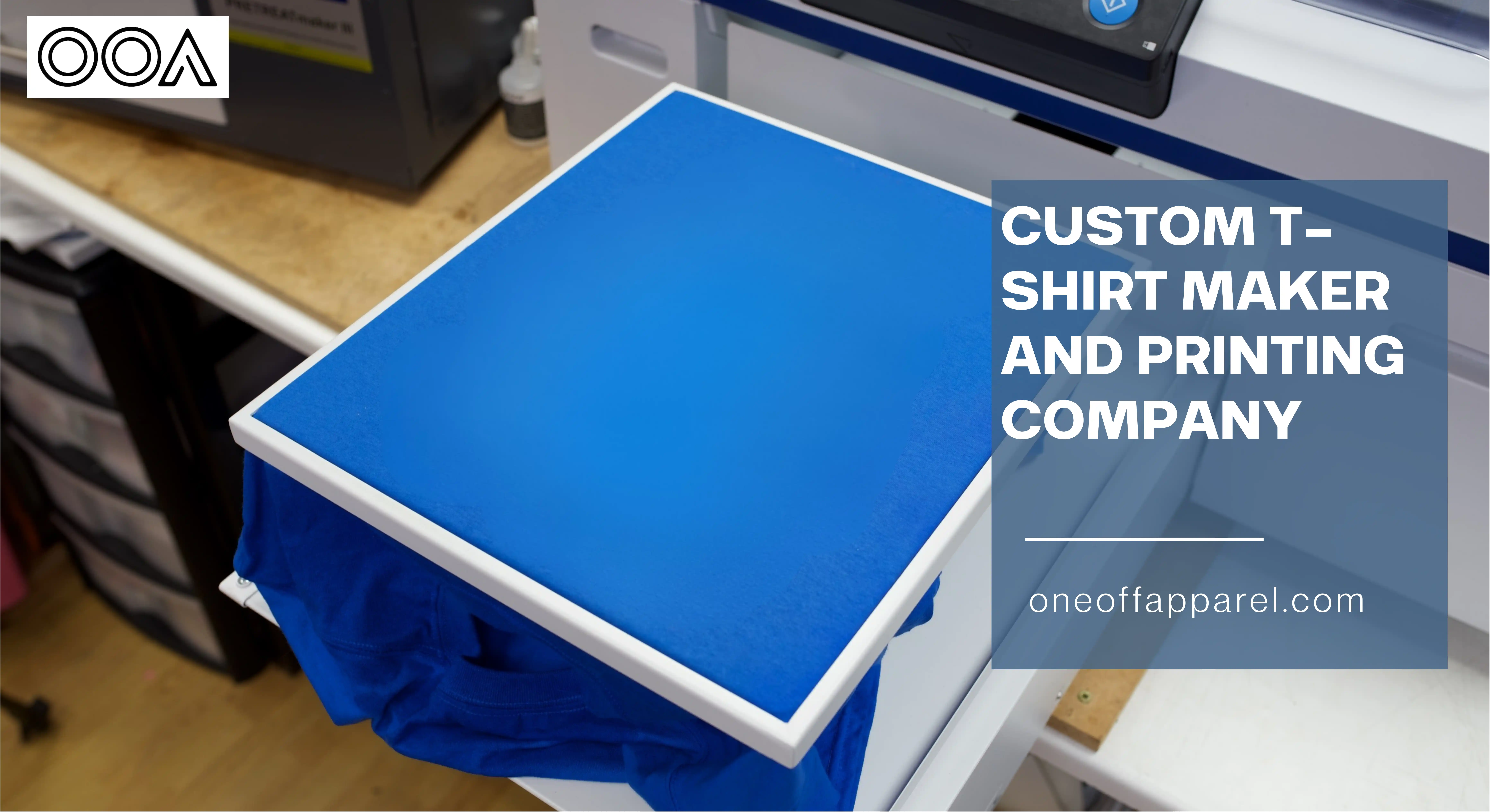

Producing high-quality custom apparel requires specialized equipment, skilled operators, and controlled production processes. Many people see the finished shirt but do not realize the detailed process behind creating a professional print. The process involves curing equipment, controlled printing techniques, and environmental conditions that help ensure consistent results.Picking the right mechanical application method for a specific piece of artwork dictates the final cost per unit and the physical lifespan of the garment.
One Off Apparel manages this entire production reality from our facility in West Boylston, Massachusetts. We run a full lineup of automatic presses for heavy volume runs alongside specialized digital machinery for exact, low-quantity orders. We look at the actual artwork files and the total unit count to assign projects to the correct production line.
- What is Bulk Screen-Printing and How Does It Work?
- Why businesses choose professional Screen-Printing Apparel Services
- What is Direct-to-Garment Printing (DTG)?
- When should you choose DTG Printing Services?
- What makes Custom DTG Printing companies valuable for modern brands?
- Silk-Screen Printing T-shirt services for business growth
- The role of a Professional Digital Printing Company
- How Custom Screen-Printing Services improve brand visibility
- What to look for in the best Screen-Printing Companies
- Why One-off Apparel is a trusted Screen-Printing Company
- Conclusion
- Frequently Asked Questions
What is Bulk Screen-Printing and How Does It Work?
Understanding the Screen-Printing process
Screen printing relies entirely on pushing wet ink through physical mesh stencils. Prepress workers coat these screens with a light-sensitive emulsion and burn the artwork directly into the material using high-intensity UV exposure units. The washout booth clears the unexposed areas so ink can pass through the mesh. The shop builds a separate screen for every single color in the design.
The operators lock those prepared screens into the arms of an automatic press. An automated squeegee blade drags liquid pigment across the surface under heavy pressure, shearing the ink straight into the cotton. The garment drops onto a conveyor belt and runs through a massive commercial oven set at roughly 320 degrees Fahrenheit. That intense heat chemically cures the ink. That highly mechanized workflow makes producing Bulk Screen-Printing Shirts incredibly fast.
Why businesses choose professional Screen-Printing Apparel Services
Branding and Marketing advantages
Corporate color codes require strict physical accuracy. Professional Custom Screen-Printing Services mix raw ink buckets by hand using specific Pantone formulas to match brand guidelines perfectly. The thick plastisol ink sits squarely on top of the fabric fibers. A bright red logo stays visibly bright red even on a black sweatshirt. Companies rely heavily on this process for exact visual replication across massive orders.
Durability and Long-Term Performance
Work crews destroy cheap clothing fast. Heavy manual labor requires serious garment resilience. The commercial dryers cure the ink onto the garment, creating a durable print that withstands repeated washing. Using Screen Printing Apparel gives your uniforms the ability to survive daily commercial washing cycles. The printed graphics handle physical scraping on the job site and long exposure to direct sunlight without cracking or peeling.
What is Direct-to-Garment Printing (DTG)?
Understanding Direct-to-Garment Printing Technology
Direct To Garment Printing applies water-based pigments straight into the cotton. The equipment operates similarly to a large-format printer designed specifically for garments.You load a digital file into the RIP software. The machine fires microscopic droplets of cyan, magenta, yellow, and black ink over a solid white underbase. The technology prints complex artwork and full-color photographs right onto the clothing.
How DTG differs from traditional Screen Printing
The two methods do completely different jobs on the production floor. DTG uses digital files for immediate output with zero physical screen setup. Screen printing requires physical stencils and manual press preparation. DTG efficiently handles massive color counts on small orders. Screen printing efficiently handles high-volume jobs because the long setup time gets absorbed by the total number of garments printed.
Industries that benefit from DTG Printing ServicesIndustries that benefit from DTG Printing Services
Bypassing the screen setup fees makes DTG Printing Services highly practical for many business models. Independent illustrators print highly detailed artwork without paying for fifteen different screens. E-commerce brands fulfill online retail orders exactly as they arrive from the website. Corporate event planners print limited merchandise where setting up an entire automatic press makes absolutely no financial sense.
When should you choose DTG Printing Services?
Ideal for Small and Custom Orders
Setup requirements play a major role in determining the cost of apparel printing. A shop does not burn any screens or mix individual ink buckets for a digital run. The prepress labor costs effectively sit at zero. You can print a single shirt at a reasonable price point without eating heavy setup penalties. One Off Apparel runs a strict minimum order quantity of exactly 1 unit for digital production.
Fast Turnaround for Personalized Apparel
Digital files move straight from the computer to the print bed. You skip the entire darkroom phase. An operator can type a new employee name or adjust a logo size digitally in a few seconds and hit print immediately. This speed allows digital machines to easily handle personalized corporate items and urgent promotional samples.
What makes Custom DTG Printing companies valuable for modern brands?
On-Demand Apparel Production
Maintaining large amounts of inventory can tie up valuable business resources. Custom DTG Printing Companies let you operate entirely on an on-demand business model. You only manufacture a garment when a customer actually pays money for it. You eliminate the financial risk of ordering hundreds of shirts in the wrong sizes and getting stuck with dead stock sitting in a storage unit.
E-Commerce and Merchandise Printing Solutions
Modern online storefronts connect right into commercial printing facilities. A customer buys a shirt on a website. The digital file and the shipping address hit the print floor queue automatically. The facility prints the garment, packs it securely, and ships it directly to the customer.This backend support gives brand owners the freedom to focus entirely on marketing and design.
Custom designs without minimum order requirements
Testing new graphics on the open market costs money. The digital method completely removes minimum order constraints. Clothing brands can test ten different designs simultaneously by printing just one copy of each. Customer demand helps determine which designs perform best in the market.Identifying a winning graphic gives a business the hard data they need to order a massive bulk run of that specific design on an automatic press.
Silk-Screen Printing T-shirt services for business growth
Promotional Events and Trade Shows
Large trade shows rely on high volumes of promotional material. Giving away branded T-shirts helps increase visibility and promote your business at events. The sheer speed of a commercial press allows a business to procure thousands of promotional shirts at an extremely low cost per unit. Bulk screen print runs require a minimum order of exactly 24 units.
School, Sports Team, and Community Apparel
Athletic programs need identical gear. The screen-printing process delivers exact color uniformity across the entire batch. The varsity team's specific color matches exactly across the player jerseys, the coach polos, and the fan merchandise. The thick ink holds up heavily to the physical demands of an athletic season.
The role of a Professional Digital Printing Company
A high-level Digital Printing Company runs advanced prepress software to process the artwork properly. Raster image programs calculate the exact volume of pigment required for every single pixel of the design before the machine even turns on. Operators spray dark garments with a specific chemical pretreatment. The white ink bonds directly with this liquid to create a solid bright foundation for the top colors to sit on.
How Custom Screen-Printing Services improve brand visibility
Creating strong brand recognition
Inconsistencies damage public trust. A logo must align perfectly across a website, a billboard, and a uniform. Professional printing applies exact Pantone colors with heavy opacity to create a bold, legible image from a distance. Commercial Clothing Printing Companies know that physical merchandise serves as a direct reflection of business standards.
Enhancing customer engagement
People are more likely to wear comfortable, high-quality apparel on a regular basis. A high-quality shirt naturally turns the wearer into a walking billboard for a company. Supplying a premium garment with a clean print increases the likelihood that a customer will integrate the item into their regular wardrobe. This dramatically multiplies the daily impressions a brand receives in public.
What to look for in the best Screen-Printing Companies
Choosing the right printing partner involves evaluating their equipment, experience, quality standards, and customer service.The Best Screen-Printing Companies run heavy automatic presses to hold tight registration on complex jobs. They offer multiple ink options like standard plastisol, water-based, and discharge inks. A professional Screen Printing Company also provides clear communication regarding pricing structures, minimum order quantities, and production timelines right up front.
Why One-off Apparel is a trusted Screen-Printing Company
Expertise in Bulk Screen-Printing shirtsExpertise in Bulk Screen-Printing shirts
One Off Apparel operates commercial-grade automatic presses capable of handling massive volume requests daily. We process complex high-color count designs with precision using exact screen tensioning and calibrated squeegee pressure. We state our numbers directly so businesses can plan their logistics properly. Bulk printing requires a minimum order of exactly 24 units.
Reliable DTG Printing Services
Our facility runs industrial direct to garment machines built for continuous output. We actively monitor the humidity and temperature on our production floor to keep water-based inks performing flawlessly. The digital process delivers retail-ready accuracy on detailed artwork with a minimum order limit of exactly 1 unit.
High-Quality Apparel and Customer-Focused Solutions
We pair our technical printing capabilities with strict logistical execution. You select from premium blank garments and we print them exactly to spec. We coordinate production and shipping to help ensure your order arrives on time. We control the entire production cycle directly from our West Boylston facility.
Conclusion:
Manufacturing custom merchandise correctly requires matching specific artwork with the correct mechanical application. Bulk screen printing provides heavy durability and low unit costs for large orders. Direct to garment printing gives you immediate output for low-volume runs. One Off Apparel gives businesses direct access to both commercial printing solutions under one roof. We focus on quality production, transparent pricing, and reliable delivery.Contact our team in Massachusetts to submit your artwork and initiate your next production run.
Frequently Asked Questions (F.A.Q.s):
What is the difference between screen-printing and direct-to-garment printing?
Screen printing pushes thick ink through a physical mesh stencil. It requires a manual press setup for every color in the design. Direct to garment printing uses digital print heads to spray water-based ink straight onto the shirt based on a computer file. It requires zero physical setup.
When should I choose DTG printing services instead of screen-printing?
You should choose the digital method when you need a very small number of shirts. It makes perfect sense for orders under 24 units. It works best for highly complex artwork, detailed photographs, or graphics with massive color counts where traditional screen setup costs would be a waste of money.
Are silk-screen printed T-shirts durable?
Yes. The printed garment passes through a commercial conveyor dryer at approximately 320°F to properly cure the ink. This curing process helps the ink bond properly to the garment for long-lasting durability.The final print survives aggressive physical wear and constant washing over a long lifespan.
Can One Off Apparel handle both bulk and custom apparel printing projects?
Yes. We operate commercial automatic presses for heavy volume runs and industrial digital printers for low-quantity orders. We manage both of these production lines directly out of our West Boylston, Massachusetts facility.
© Copyright All Rights Reserved