




The production of decorated apparel is a discipline defined by variables. Every time a design moves from a monitor to a textile, it undergoes a translation. This translation involves viscosity, pressure, and heat.
For brands like One Off Apparel, the objective remains consistent regardless of the method. The goal is to bond a liquid pigment to a flexible substrate in a way that withstands friction and laundering. This process is often oversimplified.
Outsiders might view T Shirt Printing as a singular action. In reality, it is a category that encompasses distinct chemical processes. A heavy athletic print requires a different molecular bond than a vintage-style graphic. Understanding these distinctions allows for better decisions regarding longevity and texture.
The Physics of the Mesh Screen
The traditional method of applying ink involves forcing it through a stencil. This is the foundation of the industry. A polyester mesh is stretched tightly over a frame. The tightness of this mesh is measured in Newtons.
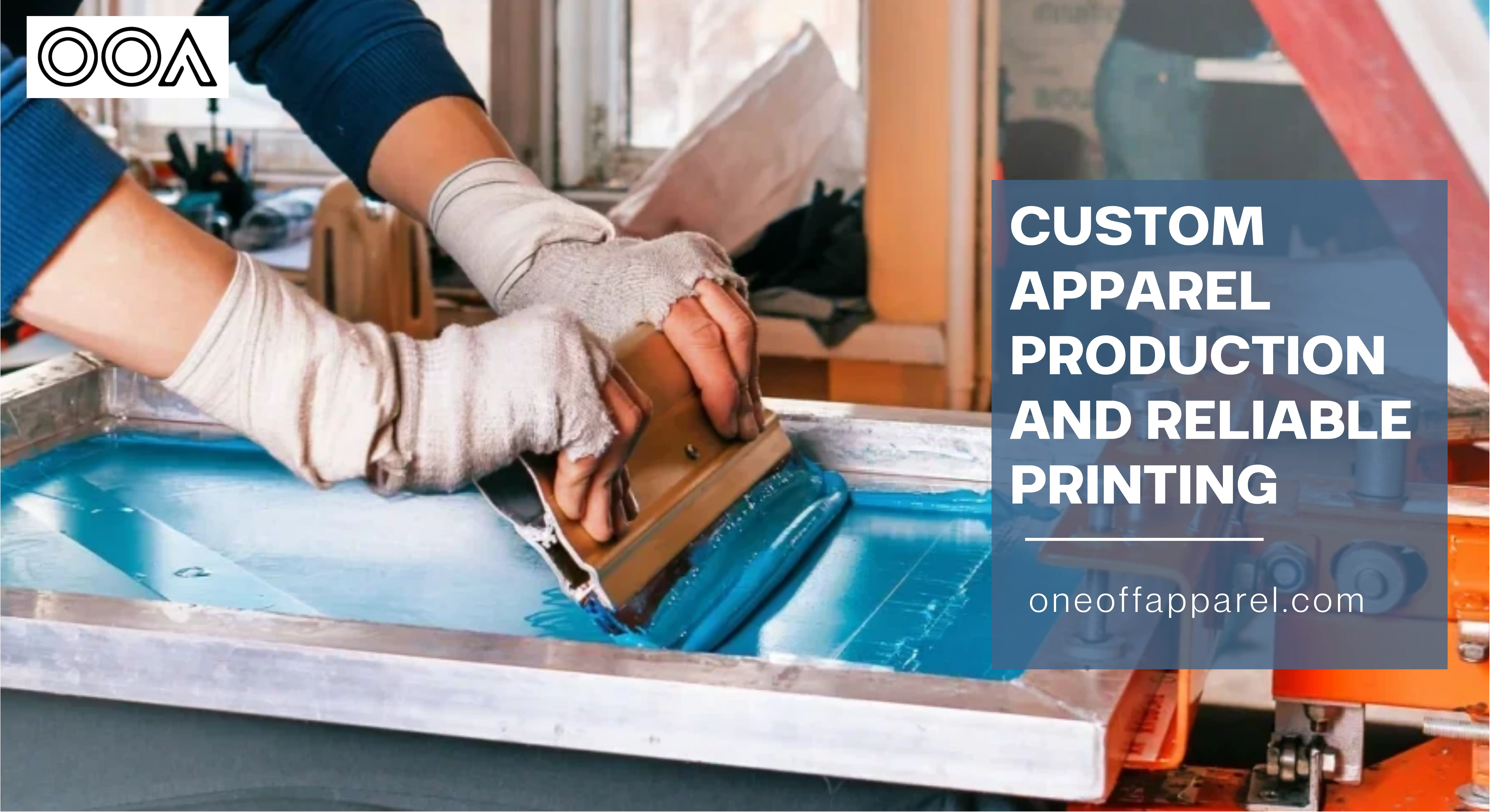
The operator uses a squeegee to shear the ink across the screen. This action cuts the ink and pushes it through the open areas of the stencil. The specific angle of the squeegee blade determines how much ink lands on the shirt. A steep angle deposits less ink. A shallow angle lays down a thick layer.
This mechanical action creates the durability associated with the Best Screen Printing results. The ink sits on top of the fabric fibers. It creates a physical shield. This is why a standard logo on a work uniform feels slightly raised to the touch. It is a layer of plasticized rubber cured directly onto the cotton.
Plastisol Chemistry and Curing
The ink used in this process is unique. It is called plastisol. It is a suspension of PVC particles in a liquid plasticizer. Unlike water-based paints, plastisol does not dry in the air. It stays liquid indefinitely until it hits a specific temperature.
The curing process is critical. The printed shirt travels through a conveyor dryer. The ink must reach 320 degrees Fahrenheit throughout the entire ink layer.
If the top reaches 320 degrees but the bottom layer touching the shirt only reaches 280 degrees, the ink will crack after a few washes. This is called under-curing. Screen Printing Services invest heavily in thermal probes to monitor this temperature window.
The chemical reaction forms a solid, flexible film. This film stretches with the wearer. It resists the abrasion of daily use. This makes it the standard for uniforms and merchandise that see heavy rotation.
The Shift to Water-Based Systems
A different approach is required for designs that need to breathe. Custom T Shirt Printing often demands a softer hand feel. This is where water-based inks and digital methods enter the equation.
Instead of sitting on top of the shirt, water-based chemistry relies on absorption. The carrier fluid evaporates. The pigment binds directly to the cellulose of the cotton fiber.
This changes the tactile experience. The print feels like part of the shirt rather than a sticker on top of it. This method requires a different set of controls. Humidity becomes a major factor. If the air is too dry, water-based inks clog the mesh or the print heads.
Operators must manage the environment of the shop floor to keep the ink flowing. This attention to atmospheric conditions distinguishes professional T Shirt Printing Services from amateur setups.
Viscosity and Detail Resolution
The thickness of the ink dictates the level of detail. Plastisol is thick. It has high viscosity. It holds a sharp edge well. This makes it ideal for block text and bold logos.
However, high viscosity struggles with fine halftones. If a design has a photographic gradient, the thick ink can smudge or close up the tiny dots.
To achieve photo-realistic results, printers often modify the ink. They add reducers to lower the viscosity. This allows the ink to pass through a finer mesh count. A standard screen might have 110 threads per inch. A high-detail screen might have 305 threads per inch.
Pushing modified ink through a 305-mesh screen requires precise pressure. Too much pressure smashes the ink into the fibers and blurs the image. Too little pressure leaves the print looking faint. The operator constantly adjusts this balance during the run.
The Economics of Setup
The choice between methods often comes down to the labor involved before the press starts running. Screen printing requires a separate screen for every color. A six-color design requires six screens. Each one must be coated, exposed, washed out, and aligned on the press.
This setup time is fixed. It takes the same amount of effort to set up for one shirt as it does for one thousand. This creates a volume threshold.
Custom T Shirt Printing for small batches often utilizes digital methods to bypass this setup. The digital print head acts as a single, variable screen. It changes its pattern instantly.
This efficiency allows for on-demand production. It removes the barrier of entry for complex, multi-color designs on low-quantity orders.
Quality Control and Registration
The final variable is registration. This refers to the alignment of the colors. If the red plate is slightly to the left of the white under-base, the print looks blurry.
In T Shirt Printing, mechanical tolerance is tight. Presses use micro-tuners to adjust the screens by fractions of a millimeter.
The shirt itself is a variable. Fabric is flexible. It can shrink under the heat of the flashing units used between colors. A skilled operator anticipates this shrinkage. They might trap the colors, making the outline slightly thicker to cover any gaps that form as the shirt contracts.
These adjustments happen in real-time. They are the difference between a crisp image and a muddy one.
Conclusion:
The production of a printed garment is a sequence of industrial steps. It involves the controlled application of force and temperature. Whether the job calls for the heavy durability of plastisol or the soft touch of water-based ink, the underlying principles of adhesion remain the same.
Businesses like One Off Apparel focus on managing these physical properties. By respecting the chemistry of the ink and the limitations of the fabric, the final product serves its purpose as a functional, lasting piece of clothing.
© Copyright All Rights Reserved